
Candid Wedding Photos That Feel Like You
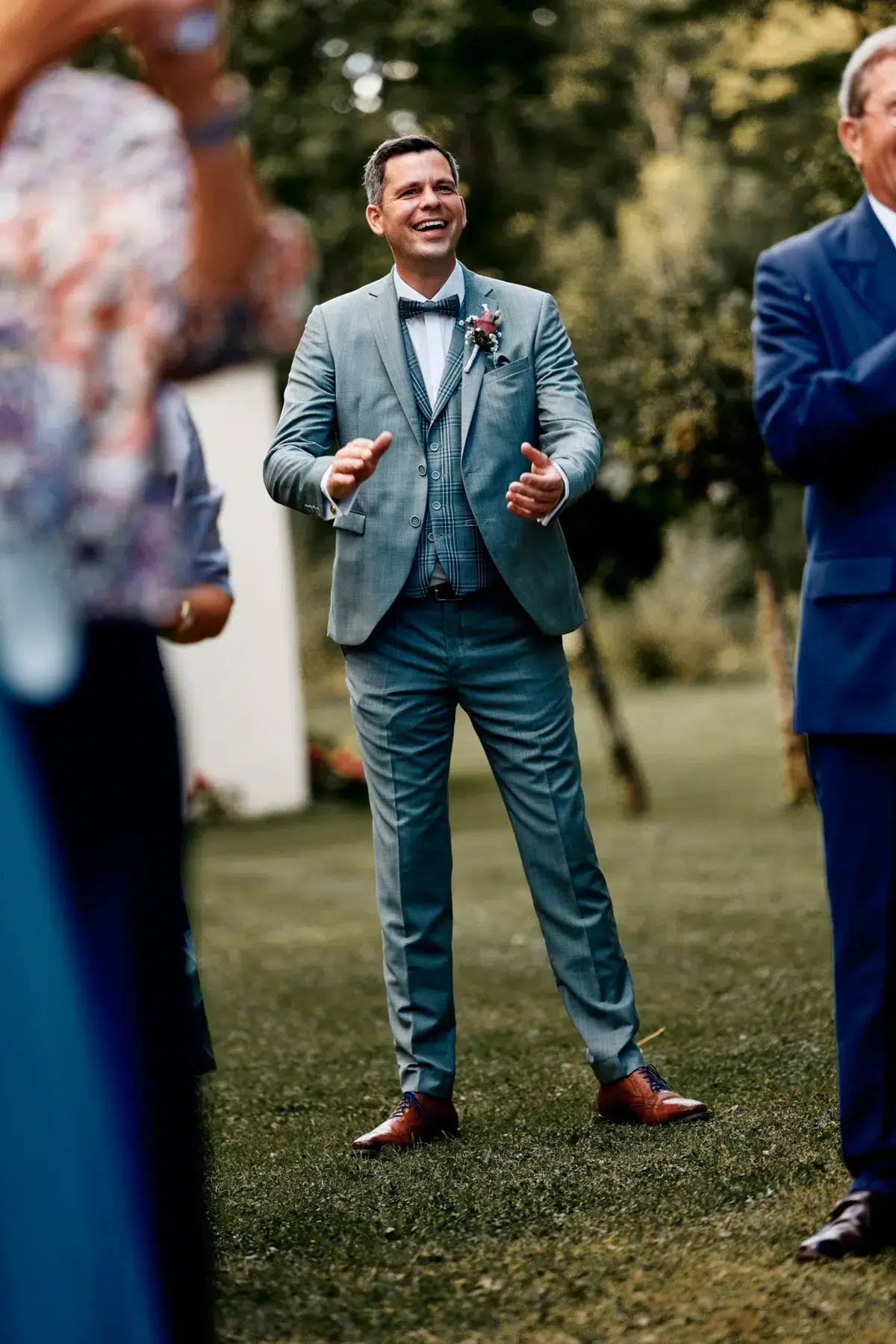
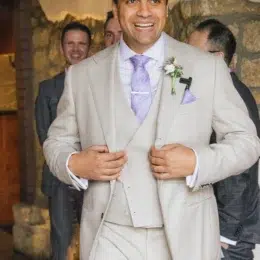
The laugh you didn’t plan. The squeeze of a hand under the table. Your friend’s face when they see you in your dress, before they can even find the words.
Those are the frames couples come back to years later – not because they’re perfect, but because they’re true. That’s the heart of candid wedding moments photography: preserving what it felt like, not just what it looked like.
What candid wedding moments photography really means
Candid photography isn’t “random” and it isn’t “no effort.” It’s attentive storytelling. It’s a photographer reading a room, anticipating reactions, and choosing the exact second that carries emotion.
On a wedding day, candid work often lives in the in-between spaces: the seconds after the ceremony when you exhale, the pause before a speech lands, the way your partner looks at you when they think no one’s watching. These moments don’t announce themselves. They happen quickly, often in imperfect light, sometimes at the edge of the action. Capturing them well takes calm presence and experience.
There’s also a trade-off worth saying out loud. Candid images will never be as controlled as portraits. Hair moves. People step into frames. A background might be busier than you’d prefer. But what you gain is honesty – and that honesty is what makes photographs feel alive.
Why couples in Luxembourg lean into candid coverage
Many of the couples we meet are internationally minded, busy professionals, and often a little camera-shy. They want elegance, but they don’t want to perform.
Candid coverage is a gentle answer to that. It gives you permission to be present. You don’t have to “know what to do” every minute because the story is already unfolding – your job is simply to live it.
It also fits beautifully with the way weddings here often feel: layered, multilingual, full of subtle family dynamics, and rich in tradition without being overly formal. A documentary approach leaves space for all of it.
The secret to great candid photos is planning (yes, really)
The most natural images usually come from a day that has room to breathe. When a timeline is packed too tightly, the energy changes. People rush. Couples disappear to catch up. Moments happen, but you don’t get to feel them.
A thoughtful plan doesn’t make your wedding more staged. It makes candid images more possible.
Build in small pockets of quiet
Ten minutes after the ceremony. A few minutes alone after portraits. A slower transition between dinner and dancing. These tiny pockets often create the most meaningful photographs because your nervous system finally settles.
If you’re deciding between options like a first look or a more traditional aisle reveal, it depends on what you want to feel. A first look can create private space for emotion earlier in the day, and it often makes the rest of the timeline calmer. A traditional reveal can be powerful in a different way, especially if the ceremony setting and music are part of your story. Both can be beautifully candid – the key is giving the moment time.
Choose a getting-ready space with light and room
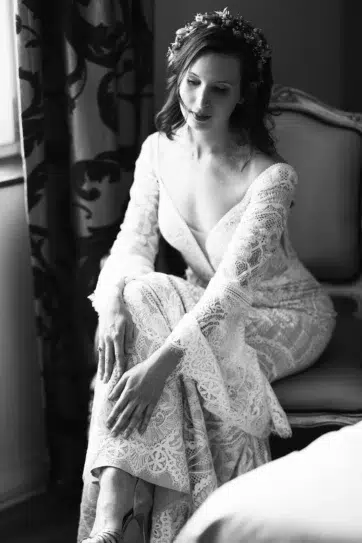
Candid doesn’t mean chaotic. If your getting-ready room is dark, cluttered, and crowded, your photos will reflect that. If it’s bright with a bit of open space near a window, the story instantly feels more refined.
You don’t need a luxury suite. You need breathing room and a place where you can move naturally without stepping over bags. Even a small Airbnb can work if the light is right and the space is kept simple.
Think about where reactions will happen
The best candid moments often involve other people: parents, siblings, friends, grandparents. If you’re hoping to see real reactions, make sure those people are actually near you at key points.
For example, if your parents are important to you, consider having them close when you get into your dress or when you put on final touches. If your best friends are the emotional anchors of the day, bring them into the space where you’ll be most yourself.
How photographers capture candid moments without interrupting them
Couples sometimes worry that “documentary-style” means a photographer will simply stand far away and hope for the best. The best candid work is more intentional than that.
It’s a balance of three things: presence, anticipation, and restraint.
Presence means staying close enough to feel what’s happening. Anticipation means knowing when something is about to break open – during vows, toasts, greetings, even quiet pauses. Restraint means not stepping in when the moment belongs to you, not to the camera.
This is also where two-photographer coverage changes the story. When one photographer focuses on the couple, the other can watch the room. While you’re wiping a tear, someone else is crying too. While you’re laughing, your friends are leaning in, hands over mouths, reacting in their own way. Having two perspectives allows the story to feel complete.
At Weddings by Massen, that split is intentional: one of us leans into calm portrait direction so you feel confident and natural, while the other stays tuned to the in-between moments that happen when you think nothing is happening at all.
The candid moments couples usually don’t realize matter
Some moments are obvious – the kiss, the first dance, the bouquet toss. But the images that age the most beautifully are often quiet and slightly unexpected.
The way your partner steadies you during a greeting line. The small, private smile right after you sign the papers. Your friends fixing a strap, adjusting cufflinks, or smoothing your veil without being asked. A grandparent watching from a chair, taking it all in.
Even details can be candid when they’re part of the story: the lipstick on a glass, the crumpled ceremony program, the half-lit candle after speeches. These aren’t styled shots. They’re evidence of a real day.
If you love the idea of emotional storytelling, it helps to let go of one expectation: you won’t know which frames will become your favorites until later. That’s part of the beauty.
How to help your guests relax (so the photos feel real)
Candid photos depend on comfort. When people feel observed, they stiffen. When they feel safe, they soften.
Your guests will take cues from you. If you’re tense, they’ll be careful. If you’re present, they’ll settle into the day.
A few decisions can help without turning your wedding into a production.
If you’re considering an unplugged ceremony, it can be a gift. Phones change body language, and screens often block reactions. If you love guest photos, you can still invite them to take pictures later during cocktail hour or on the dance floor. It doesn’t have to be all or nothing.
Lighting matters too. Warm, flattering light during dinner helps faces look like themselves. If your venue allows it, candlelight and soft overhead lighting create a romantic atmosphere that also photographs beautifully.
And if you’re doing speeches, ask your speakers to stand in a consistent spot with decent light. It’s a small planning choice that makes reactions easier to capture without photographers moving around in front of everyone.
Candid vs. posed: the balance that feels timeless
Most couples don’t want a wedding gallery that’s 100 percent candid or 100 percent posed. They want both: portraits that feel elegant and confident, and documentary images that feel like memory.
Portraits give you structure. They create the images your family will frame, the ones that show your full look, the ones where everyone is actually looking at the camera. They also give camera-shy couples a moment to be guided, so they’re not wondering what to do with their hands.
Candid coverage gives you truth. It holds the movement, the relationships, and the emotional arc of the day.
When the balance is right, portraits don’t feel stiff, and candids don’t feel messy. The entire gallery feels cohesive – like one story, told with intention.
A quick note on what “natural” really looks like
Natural doesn’t always mean smiling.
Sometimes it looks like tears, or nervous laughter, or a quiet stare across the room. Sometimes it looks like your face doing something you didn’t expect. That’s not unflattering. That’s human.
If you’re worried about how you’ll look in candid moments, you’re not alone. The best way to feel good about your photos is to work with a photographer who keeps the environment calm and who knows when to step in with gentle guidance and when to step back.
It also helps to choose a wedding day pace that allows you to feel like yourself. A rushed day creates rushed expressions. A supported day creates softer ones.
Closing thought
If you want candid wedding photographs that hit you in the chest years from now, prioritize how you want the day to feel – calm, connected, unrushed, held. When you build your plans around that feeling, the moments don’t need to be manufactured. They show up on their own, and your photographs simply tell the truth of them.